I take products from discovery to launch, from healthtechs to insurance companies, always alongside the engineering team and with the user at the center of every decision.
I'm a designer from Recife with over 5 years leading discovery, prototyping and handoff across digital products, from healthtechs to insurance platforms used by tens of thousands of people.
I've worked alongside CEOs conceiving products from scratch, led design system evolution and built design teams. I like complex problems, data-driven decisions, and making each delivery simpler than the last.
Maria sees the problem before rushing to the solution, and that made all the difference. She asked the right questions, explored alternatives with genuine curiosity and always sought to understand the why behind every decision. I recommend her without hesitation to any team that values real collaboration and strategic design thinking.
Geovana Paes
AI Product Manager at Amigo Tech
"
A UX Research specialist, Maria Fernanda has a unique ability to understand users' needs and behaviors, resulting in valuable insights for product development. Her meticulous, data-driven approach ensures design decisions are always well-founded and effective. Maria Fernanda is resilient and cooperative, showing a unique ability to face challenges with a positive, collaborative attitude.
Paulo Ortega
Product Design Specialist at Porto Seguro
"
A professional capable of finding creative solutions to problems, with rare clarity in documenting and presenting her point of view. Her sharp technical eye catches details few others would have the sensitivity to notice. She masters the main tools for great UX/UI work and knows how to work well in a team.
Marcos Barreto
Head of Design at Main Leaf
Let's talk?
Open to new projects, partnerships and conversations about product and design.
A maze to find one piece of information. That is where I came in.
That was the day-to-day for people using Corretor Online, Porto Seguro's platform connecting brokers to the insurer. Quotes, campaigns, policies, commissions, all there. Except post-sale client management had become the blind spot of the experience.
The mission
Corretor Online is the main contact channel between brokers and the insurer. My mission within it was specific: improve the post-sale journey and client management experience, that moment when the sale has already happened, but the client relationship (and the work) continues.
The goal was clear from the start: reduce the time of the post-sale client management journey.
Untangling the knot
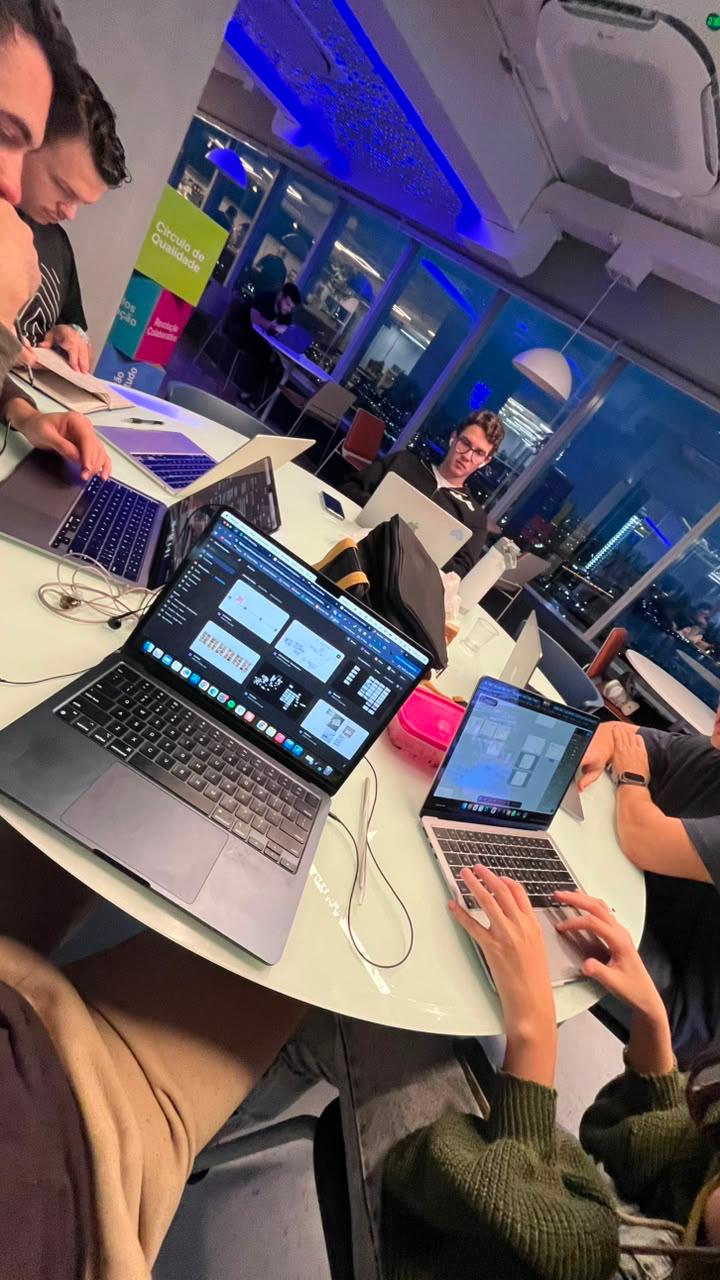
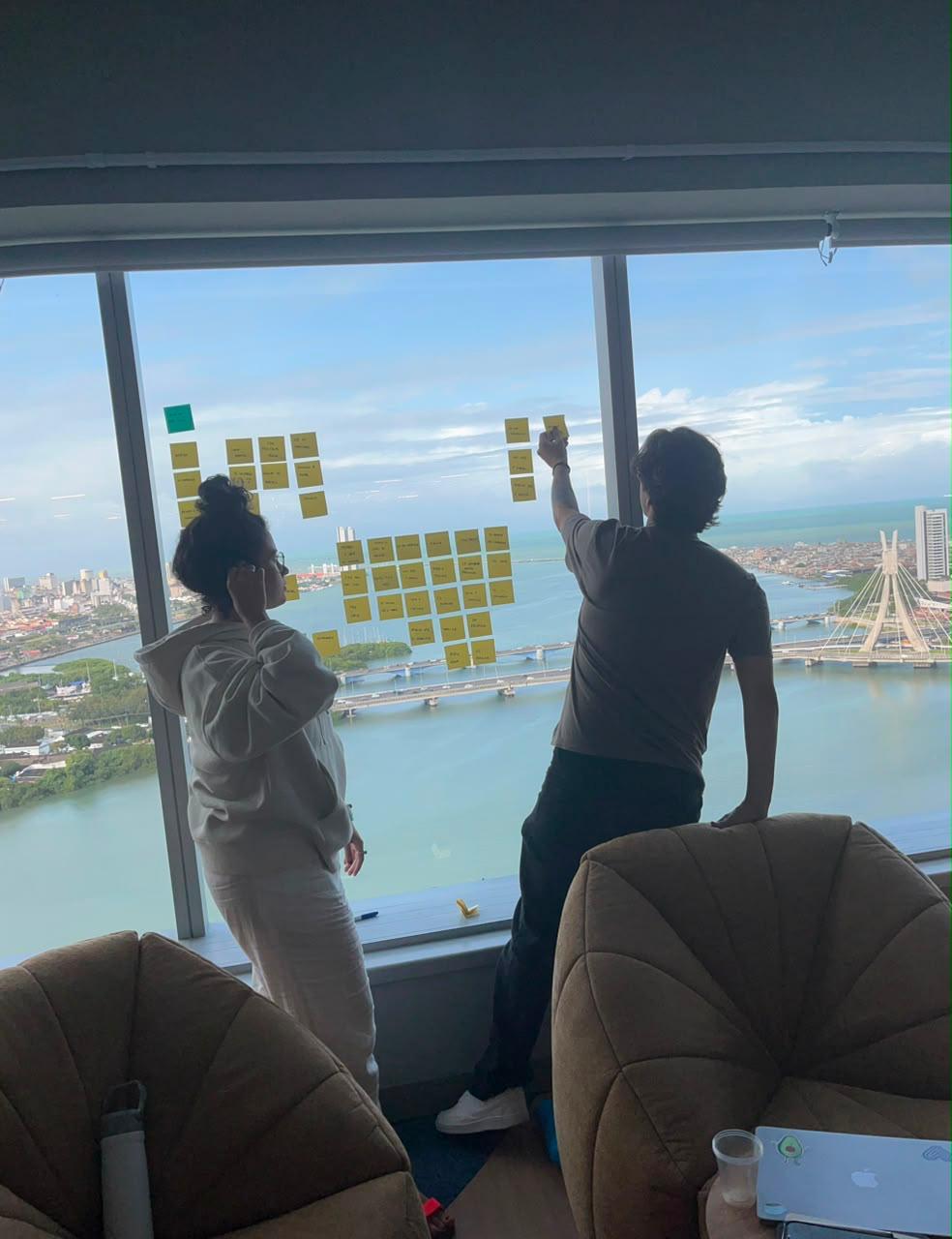
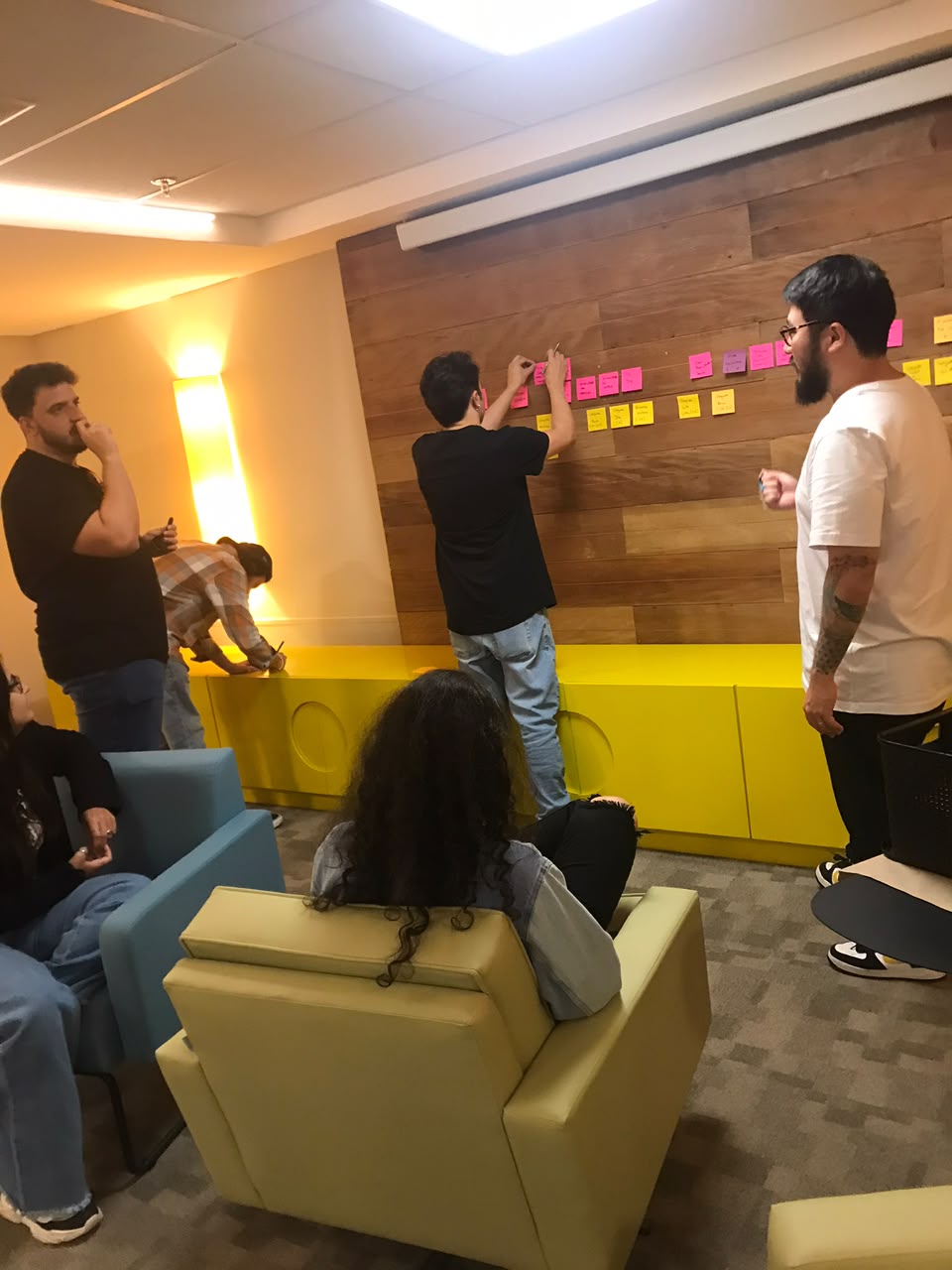
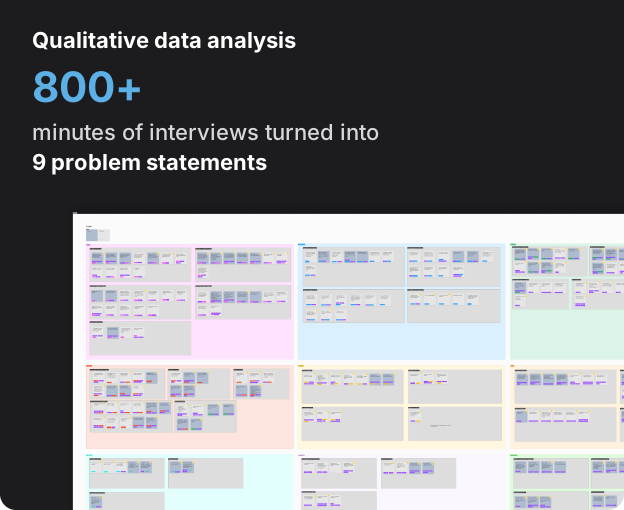
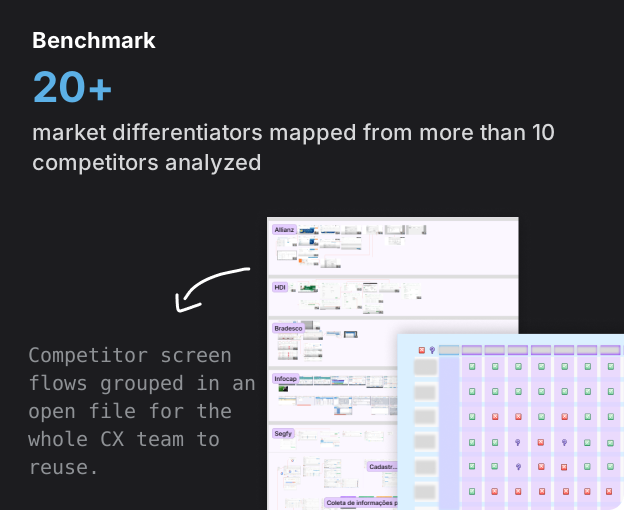
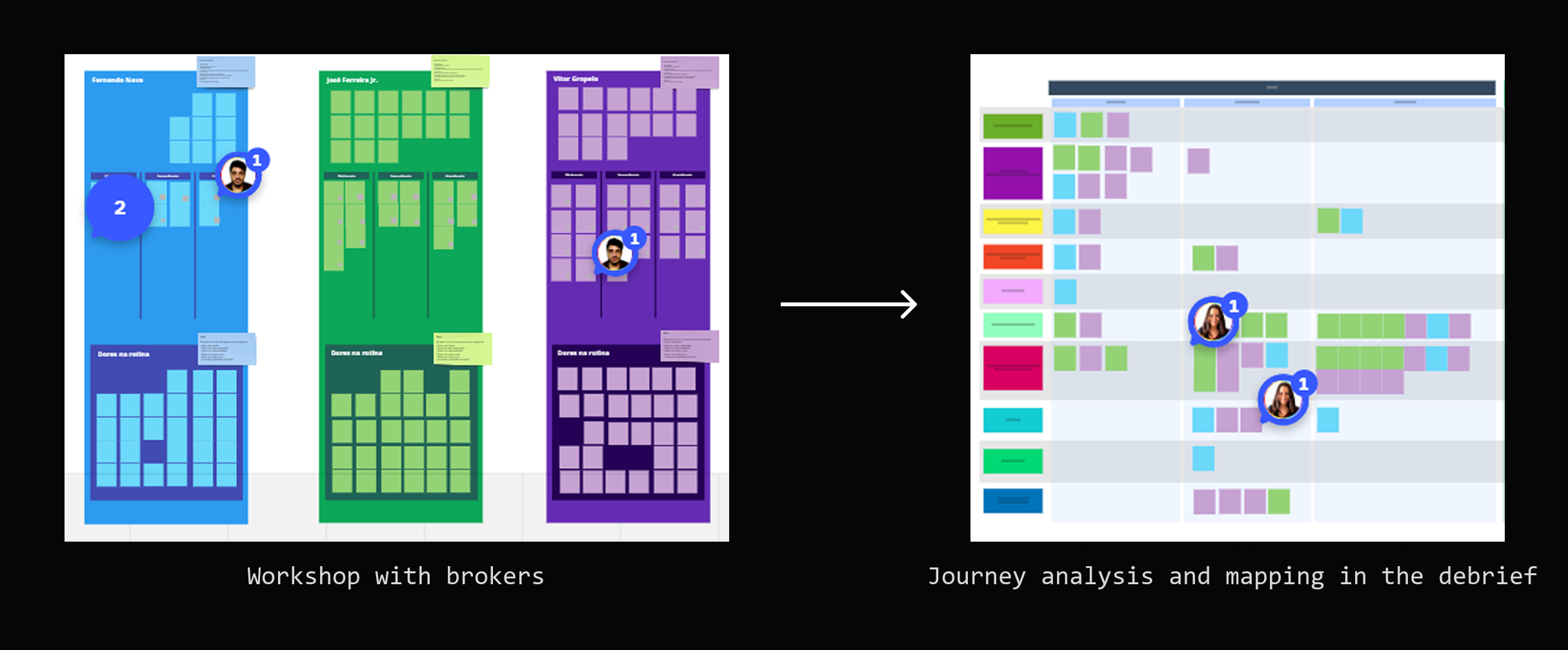
When I joined the project, a research team had already interviewed brokers and stakeholders about the main post-sale pain points. The problem was that the data came to us raw. And we knew something else: we needed to understand how the market already solved this. Two fronts, at the same time:
We thought we knew what the problem was.
The stakeholders and I walked in confident about one hypothesis: the villain was the legacy system, old, rigid, hard to find anything in. It seemed obvious. But the data started to disagree with us.
Listening to the brokers, we saw they actually got by just fine in the old system, they had their shortcuts, their own ways. The real pain wasn't "the system is old." It was something else: client information lived scattered everywhere. And that became glaring in the benchmark: competitors centralized far more, and several brokers pointed to exactly that as what Porto was missing.
The comfortable hypothesis fell apart. The problem wasn't modernizing the legacy, it was unifying what was fragmented.
So what are these journeys?
To answer that question, we reached out to branch managers for broker contacts. From there we selected the best profiles for our project (based on an analysis of broker size, role, focus products, etc.).
The real test: try it before you promise it.
Before any number, we put the solution in front of the people who would use it. We ran a semi-structured usability test with brokers, starting guided through the flows (client list, profile, contract summary modal) and then opening up to conversation, with the other Product Designer, the researcher and me asking questions.
The result was reassuring in the best sense: no flow broke, every one was completed without getting stuck. The adjustments that came out of it were about interpretation, word choices, labels that confused, not structure. A sign that the unification logic made sense inside the broker's head, not just ours. And it had an important side effect: the test proved just how essential the contract summary was for the broker.
What couldn't be dropped.
With the value of the contract summary proven in the test, the challenge arrived: little time, and the business needing to cut scope. And the target of the cut was precisely the contract summary modal.
That modal went beyond centralization. It solved a second problem just as big as the first: each Porto product (auto, life, card…) lived in a different system, and finding a policy's information meant digging through a lengthy PDF, contract by contract. With the modal, opening a client would show the broker every contract they hold with them, with the option to download the full PDF or read a summary of the key points.
Why did they want to cut it? Because it was complex. Each product is very different, a Life broker looks for different information than a Card one. A single modal wouldn't serve them all. My role there was to defend that this piece couldn't leave, or the product would stop solving its core problem.
The answer to the cut wasn't "no." It was a plan.
Instead of fighting to keep everything at once, I proposed a phased path that made the complex feasible:
With the data team, we mapped Porto's best-selling products and ranked them by relevance.
The PO and I would interview the internal team of each product, understanding the specialist broker and what they truly look for in that type of contract.
Each modal would be tailored to that product's profile, approved with the responsible department, and launched one by one.
V1 shipped with the detailing of the most relevant product, and the following launches would enter the roadmap in order, product by product.
With the roadmap approved, the PO and I dove into those product interviews. The essential scope was saved, without blowing the deadline.
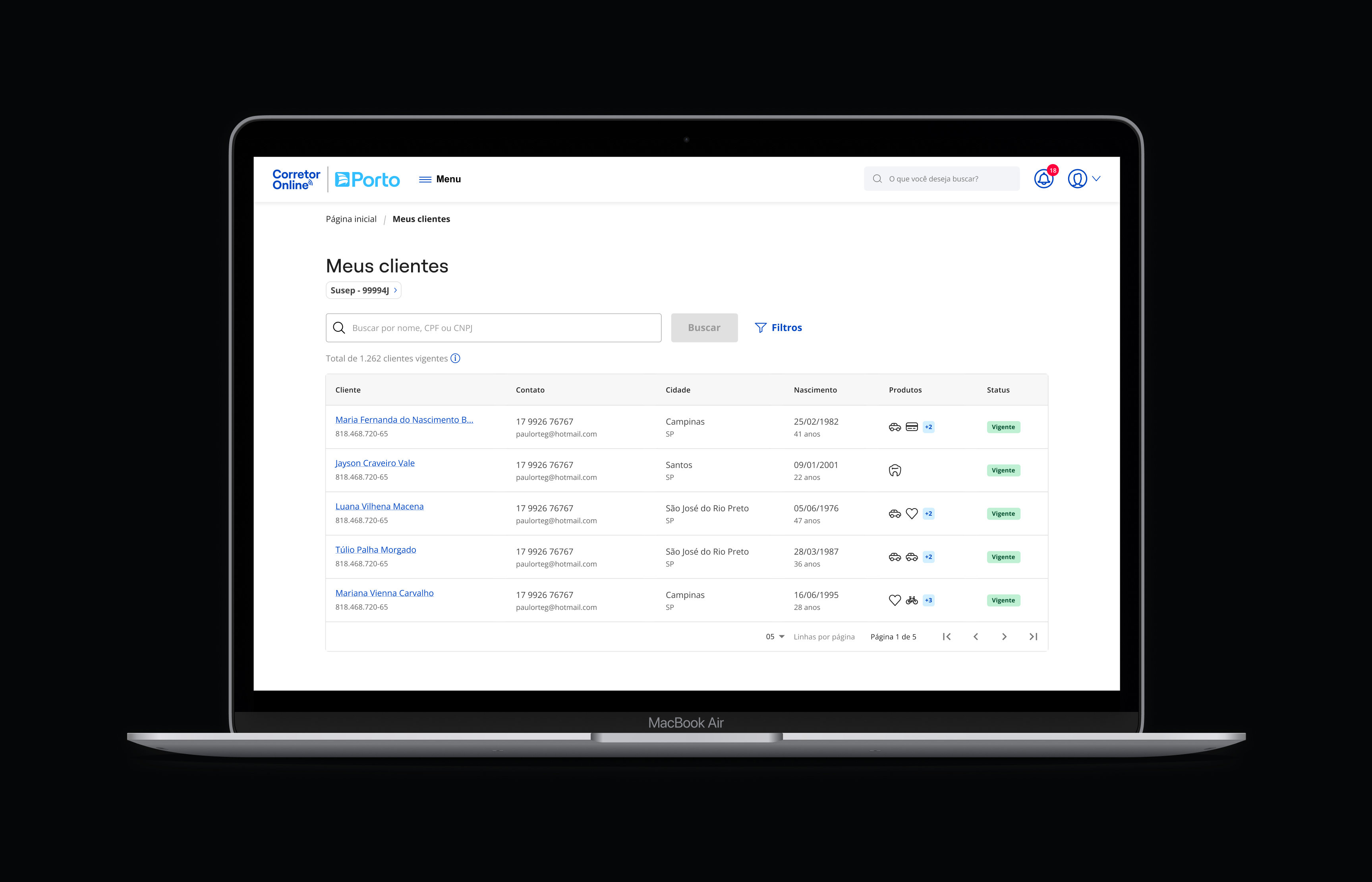
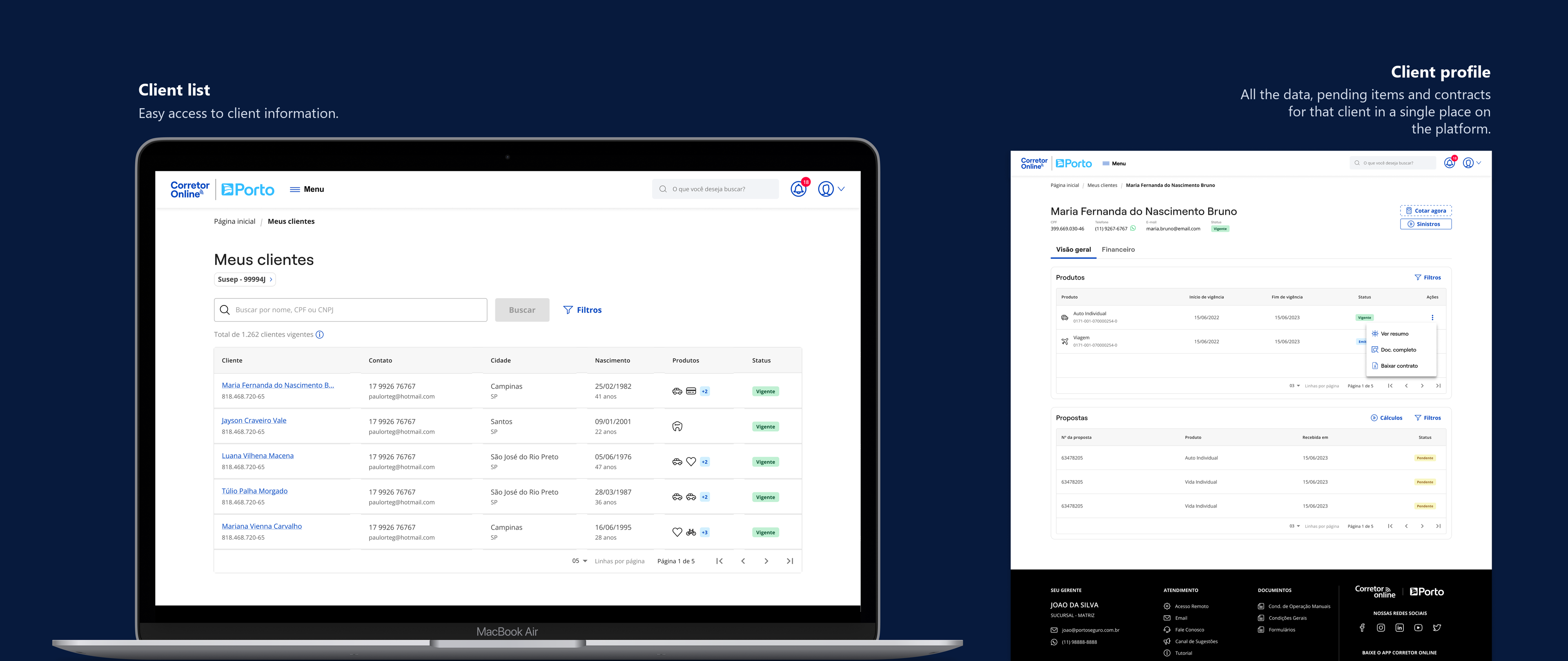
With the logic validated and the essential scope protected, the solution took shape: easier access to information and pending items in the client list, and all the data, contracts and pending items of each client gathered in the profile.
The result
Months after the MVP launch, leadership announced the project's impact in an official presentation: a 90% reduction in the time spent looking up client information. What used to require opening several systems and hunting inside PDFs became a single lookup.
90%
reduction in time spent looking up client information
What I take from this project
A comfortable hypothesis deserves suspicion. We nearly designed to fix the legacy, the wrong problem. It was cross-referencing the user's voice with the benchmark that revealed the real pain.
Defending scope is part of the design work. My job wasn't just to design the modal; it was to keep it from being cut, and to turn "it's too complex" into an executable roadmap.
Access to users is built, not awaited. Research at Porto was slow by nature: finding brokers with the right profile, asking for permission, engaging branch managers, scheduling, interviewing and processing the data could take days, sometimes weeks, and we didn't always have that time. To avoid designing in the dark between one study and the next, I kept, together with the researcher and the other Product Designer, a continuous channel with 3 brokerage owners with an operational profile who had been with us since the earliest research: a WhatsApp group where I would ask quick questions about the broker's routine whenever they came up. It didn't replace formal research, but it made sure every design decision was anchored in someone who actually lived the problem, and it taught me that keeping the user close is a practice you cultivate, not a one-off event.
Let's talk?
Open to new projects, partnerships and conversations about product and design.